

How does gelatin affect the texture of food products?
I.Gelling and Elasticity
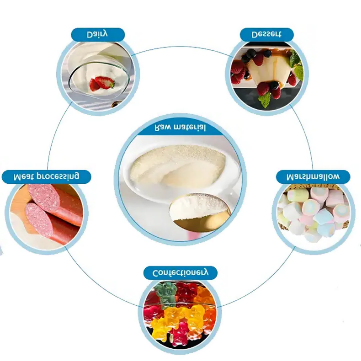
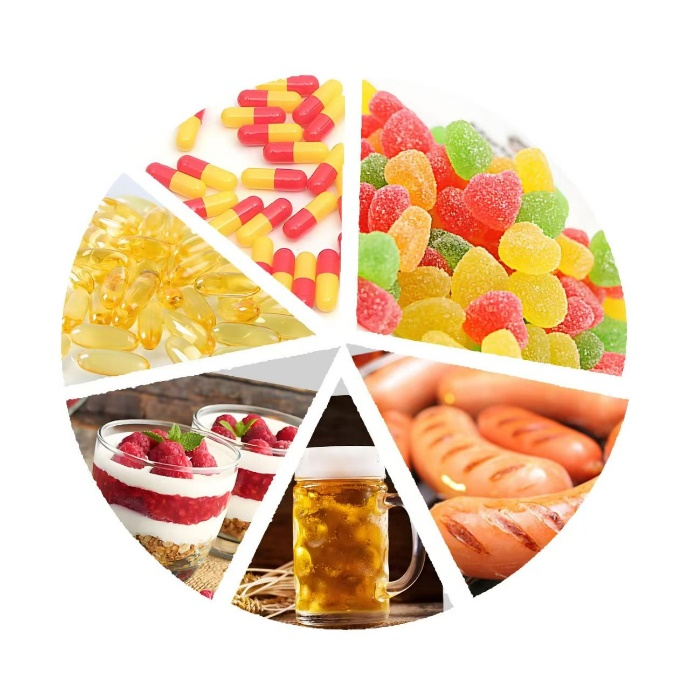
Gelatin’s most notable impact is creating gel textures with varying elasticity. In gummy candies, a 10–15% gelatin concentration yields a chewy, bounce-back texture. In aspic, lower concentrations (2–5%) produce a delicate, wobbly gel that showcases ingredients like vegetables or meat. The gel’s melting point (25–35°C) ensures it softens in the mouth, enhancing palatability.
II.Creaminess and Mouthfeel
In dairy and plant-based desserts, gelatin contributes creaminess by breaking up ice crystals and fat globules. It adds body to mousses and meringues, preventing collapse while maintaining lightness. In soups and broths, it creates a silky texture when chilled, transforming into a rich liquid when reheated—ideal for aspics and consommés.
III.Structural Integrity
In baked goods, gelatin strengthens doughs and batters, preventing crumbling in cakes and pastries. It stabilizes whipped creams and meringues, extending their shelf life by resisting deflation. In meat products, it binds ground meat, improving sliceability in sausages and meatloaves. Its ability to reinforce structures without altering flavor makes it a silent hero in food texture design.