





Gelatin Industry Insights 2025
- Introduction
Gelatin, a protein obtained by partial hydrolysis of collagen from animal sources like skin, bones, and connective tissues, has diverse applications across multiple industries. As of 2025, understanding its composition, market trends, and industry usage is crucial for stakeholders in the food, pharmaceutical, and other sectors.
- Composition of gelatin
Gelatin is primarily composed of amino acids. Key amino acids include glycine, which makes up about one - third of its composition, proline, and hydroxyproline. These amino acids form a complex three - dimensional structure through hydrogen bonding and hydrophobic interactions. The unique arrangement gives gelatin its characteristic gelling, thickening, and stabilizing properties. The molecular weight of gelatin can vary depending on the hydrolysis process, with a typical ran
- Market Trends
3.1 Growth Projection
The gelatin market is on an upward trajectory. It is projected to reach a significant value by the end of 2025, driven by the increasing demand from various industries. From 2025 - 2035, a compound annual growth rate (CAGR) of around 6.2% is expected. This growth is spurred by factors such as the rising consumer preference for clean - label and functional foods, where gelatin plays a vital role due to its natural origin and beneficial properties.
3.2 Source - based Trends
Conventional gelatin, mainly derived from cattle and pigs, still dominates the market in 2025 due to its cost - effectiveness and wide availability. However, there is a growing trend towards alternative sources. For instance, fish - derived gelatin is gaining popularity, especially in regions where religious or cultural factors restrict the use of bovine and Porcine Gelatin. Additionally, there is research and development focused on plant - based gelatin alternatives to meet the demands of vegan and vegetarian consumers, although these are not yet as prevalent in the market as animal - derived gelatin.
- Industry Usage
4.1 Food and Beverage Industry
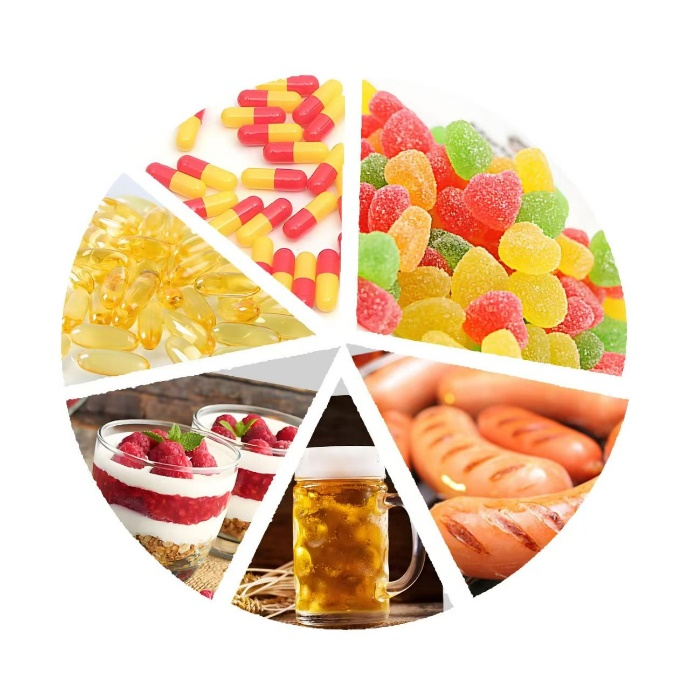
- Confectionery: Gelatin is a staple in confectionery products. In 2025, it is widely used in making gummy candies, marshmallows, and jelly beans. It provides the chewy texture that consumers enjoy and helps in maintaining the shape and stability of these products.
- Dairy Products: Yogurts, ice creams, and some types of cheeses use gelatin. In yogurt, it acts as a stabilizer, preventing separation and improving the smoothness of the product. In ice cream, gelatin helps in controlling ice crystal formation, resulting in a creamier texture.
- Meat Processing: Gelatin is used in meat and poultry processing. It can enhance the water - holding capacity of meat products, improving their juiciness and texture. It also serves as a binder in products like sausages.

4.2 Pharmaceutical Industry
- Capsules: Gelatin is the primary material for making hard and soft capsules. In 2025, most pharmaceutical capsules are gelatin - based due to its ability to encapsulate drugs effectively, protect the active ingredients, and dissolve at the appropriate time in the digestive system.

- Wound Dressings and Drug Delivery Systems: Gelatin's biocompatibility makes it suitable for wound dressings. It can promote cell adhesion and proliferation, aiding in the wound - healing process. In drug delivery systems, gelatin can be used to control the release of drugs, ensuring a steady and effective dosage.
4.3 Cosmetics and Personal Care Industry
- Skincare Products: Gelatin is found in face masks, creams, and lotions. It can act as a thickening agent and also has moisturizing properties. In face masks, it helps in forming a film that adheres to the skin, delivering active ingredients more effectively.
- Haircare Products: Some shampoos and hair conditioners contain gelatin. It can improve the texture of the product and also provide conditioning benefits to the hair, making it smoother and more manageable.
In conclusion, in 2025, gelatin continues to be a versatile and essential ingredient across multiple industries. The market is evolving with new trends, and its applications are likely to expand further in the future as research and development continue to explore its potential.
- Capsules: Gelatin is the primary material for making hard and soft capsules. In 2025, most pharmaceutical capsules are gelatin - based due to its ability to encapsulate drugs effectively, protect the active ingredients, and dissolve at the appropriate time in the digestive system.